
Asian Double Eyelid Surgery: Incisional vs. Non-Incisional Techniques
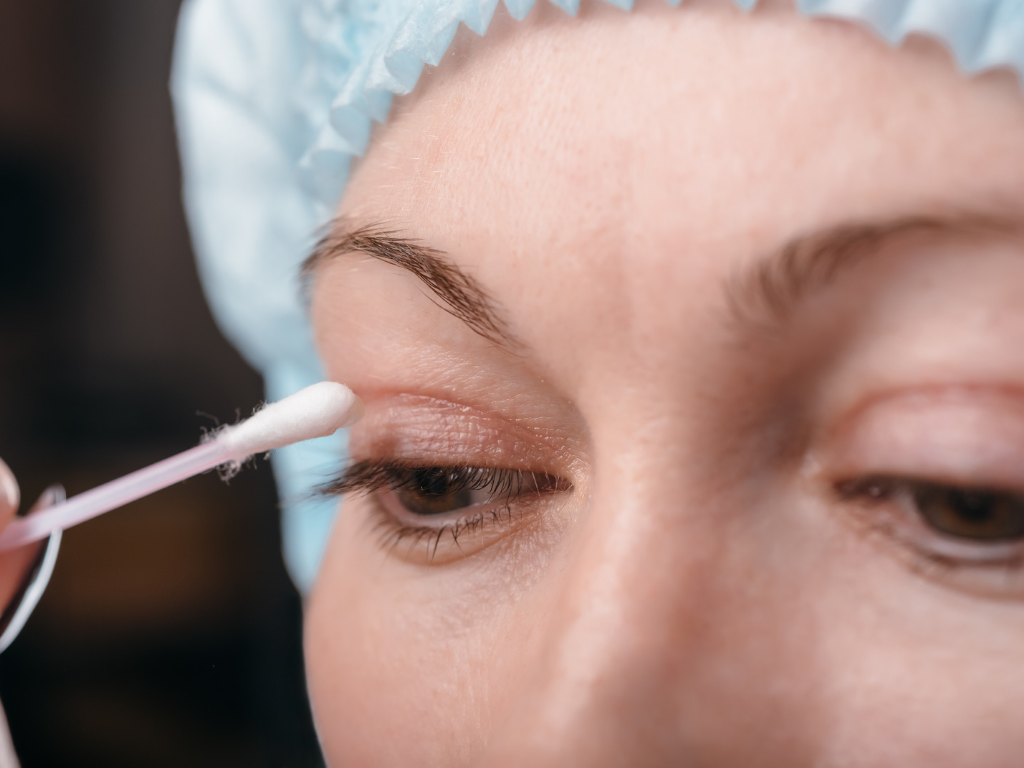
Asian Double Eyelid Surgery: Incisional vs. Non-Incisional Techniques
Creating a natural-looking eyelid crease that complements your individual features
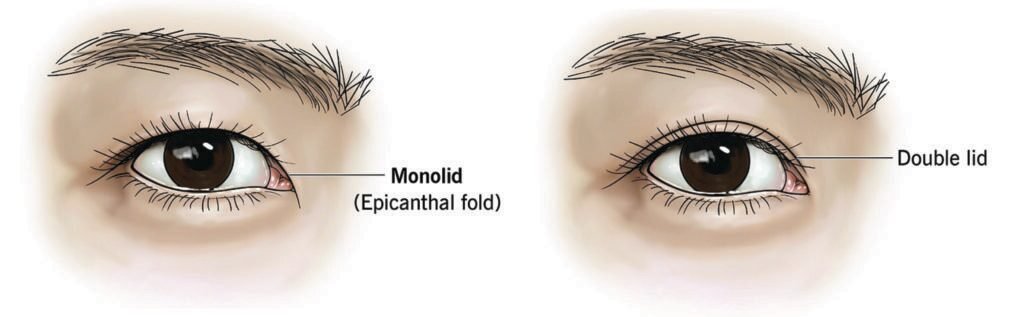
Everyone’s eyelids are different. Some people naturally have a visible crease in their upper eyelids, while others have a single eyelid without a distinct fold. Both are normal anatomical variations.
For individuals who would like a more defined or symmetrical upper eyelid crease, Asian double eyelid surgery, also known as Asian double eyelid blepharoplasty, may be an option.
At Fraser Valley Cataract & Laser (FVCL) in Surrey, BC, Dr. Gabriel Chu offers two approaches to double eyelid surgery: incisional and non-incisional techniques.
Each technique has distinct advantages, limitations, and recovery considerations. Understanding these differences can help you make an informed decision about which approach may best suit your eyelid anatomy and aesthetic goals.
What Is Asian Double Eyelid Surgery?
Asian double eyelid surgery is a procedure designed to create or enhance a natural-looking crease in the upper eyelid.
This crease can provide greater upper eyelid definition, increase the visible eyelid area when the eyes are open, and make applying eye makeup easier for some patients.
Unlike conventional upper eyelid blepharoplasty, which primarily focuses on removing excess skin, Asian double eyelid surgery emphasizes creating or refining the upper eyelid crease. In certain cases, both procedures may be combined when clinically appropriate.
The objective is not to create a uniform appearance or change a patient’s ethnic identity. Instead, the goal is to establish a crease that complements the individual’s facial features, eyelid anatomy, and personal preferences while respecting their natural ethnic characteristics.
Non-Incisional Double Eyelid Surgery
How Does Non-Incisional Double Eyelid Surgery Work?
Non-incisional double eyelid surgery uses small skin entry points and fine sutures placed beneath the eyelid skin to establish a connection that forms the new eyelid crease.
Unlike the incisional approach, this technique avoids a continuous skin incision and generally does not involve removing excess skin.
It may be suitable for patients with relatively thin upper eyelid skin and minimal excess skin or underlying fat.
Advantages of Non-Incisional Double Eyelid Surgery
Faster initial recovery: Patients generally experience less swelling and bruising compared with the incisional technique.
No continuous incision scar: The procedure avoids a long surgical incision, although small entry-point marks or other scarring can still occur.
Less tissue disruption: The technique generally involves less extensive manipulation of the eyelid tissues.
Suitable for selected eyelid anatomy: It may be appropriate for patients with thinner eyelids and minimal excess skin or fat.
Disadvantages of Non-Incisional Double Eyelid Surgery
Potential loss of crease definition: The eyelid crease may loosen, become less noticeable, or disappear over time.
Limited suitability for heavier eyelids: Patients with thick eyelid skin, significant excess skin, or prominent underlying fat may not be ideal candidates.
Limited tissue modification: The technique generally does not allow for substantial removal of excess skin or reshaping of underlying tissues.
Possible revision surgery: Some patients may eventually require an additional procedure or conversion to an incisional technique for improved crease definition.
Incisional Double Eyelid Surgery
How Does Incisional Double Eyelid Surgery Work?
Incisional double eyelid surgery involves creating a carefully planned incision along the intended upper eyelid crease.
Through this incision, the surgeon establishes a connection between the eyelid skin and deeper structures, including the levator tendon and tarsal plate, to help form a defined eyelid fold.
When appropriate, the procedure can also address excess upper eyelid skin and selected underlying tissue or fat.
The incision is positioned within the newly created eyelid crease so that the resulting scar generally becomes less noticeable as healing progresses.
Advantages of Incisional Double Eyelid Surgery
Greater control over crease formation: The technique allows the surgeon to adjust the height, shape, and definition of the eyelid crease.
More durable results: Incisional surgery generally produces a longer-lasting crease compared with the non-incisional approach.
Ability to address excess tissue: The surgeon can remove excess skin or selected underlying tissue when clinically appropriate.
Suitable for heavier eyelids: This approach may be preferable for patients with thicker eyelids or those requiring tissue removal.
Disadvantages of Incisional Double Eyelid Surgery
Longer initial recovery: Swelling and bruising are generally more pronounced than with the non-incisional technique.
More extensive healing: The eyelid crease may take longer to settle into its final appearance.
Visible scarring during healing: Although the incision is placed within the eyelid crease, a scar is created and may remain visible to varying degrees.
Surgical risks: Potential complications include bleeding, infection, asymmetry, an undesirable crease, scarring, or the need for revision surgery.
Incisional vs. Non-Incisional Double Eyelid Surgery: What’s the Difference?
Both techniques aim to create a natural-looking upper eyelid crease, but they differ in surgical approach, recovery, and suitability for different eyelid anatomies.
Feature | Non-Incisional | Incisional |
Surgical technique | Small entry points and sutures | Incision along the planned crease |
Skin removal | Generally not performed | Possible when needed |
Initial recovery | Usually quicker | Generally longer |
Swelling and bruising | Typically less | Typically more |
Crease durability | May loosen over time | Generally more durable |
Best suited for | Thinner eyelids with minimal excess tissue | Thicker or heavier eyelids or those requiring tissue removal |
Scarring | No continuous incision scar | Scar positioned within the eyelid crease |
Neither approach is universally better. The most appropriate technique depends on the patient’s individual anatomy, expectations, and surgical goals.
Which Double Eyelid Surgery Technique Is Right for Me?
Choosing between incisional and non-incisional Asian double eyelid surgery requires a personalized assessment of your upper eyelid anatomy.
During a consultation, Dr. Gabriel Chu may evaluate several factors, including:
Upper eyelid skin thickness and laxity
Amount and distribution of underlying eyelid tissue or fat
Existing eyelid crease and desired crease height
Eyelid position and symmetry
Individual facial features and aesthetic preferences
Non-incisional double eyelid surgery may be appropriate for patients with relatively thin eyelids, minimal excess skin, and a preference for a less invasive procedure.
Incisional double eyelid surgery may be recommended for patients who require more substantial crease formation, have thicker or heavier eyelids, or would benefit from a more durable result.
In some cases, eyelid drooping, also known as ptosis, may require additional assessment. Depending on the patient’s anatomy and functional needs, ptosis repair may be performed separately or combined with double eyelid surgery.
A comprehensive surgical consultation is essential to determine the most appropriate treatment plan.
What to Expect During Double Eyelid Surgery Recovery
Recovery after Asian double eyelid surgery varies depending on the technique performed, the patient’s anatomy, and individual healing factors.
Following either procedure, patients may experience temporary swelling, bruising, and eyelid asymmetry.
These effects generally improve as healing progresses, although the newly created eyelid crease may take several weeks or longer to settle into its final appearance.
Non-incisional surgery typically involves a shorter initial recovery period because it requires less tissue disruption.
Incisional surgery generally involves more swelling and a longer healing process, particularly when excess skin or underlying tissue has been removed.
As with any surgical procedure, potential risks include bleeding, infection, scarring, dry eyes, asymmetry, dissatisfaction with the cosmetic result, and the possible need for additional surgery. Rare complications may affect eyelid closure or eye health.
Your surgeon will review the anticipated recovery, postoperative care, and risks relevant to your individual procedure.
Asian Double Eyelid Surgery with Dr. Gabriel Chu at FVCL
At Fraser Valley Cataract & Laser in Surrey, British Columbia, Dr. Gabriel Chu provides individualized consultations for patients considering Asian double eyelid blepharoplasty.
As an ophthalmologist offering eyelid surgery, Dr. Chu evaluates the anatomy and function of the eyelids alongside each patient’s aesthetic goals.
Depending on the patient’s specific concerns and anatomical requirements, double eyelid surgery may be combined with additional procedures, including:
Ptosis repair: Addresses drooping of the upper eyelid through correction of the eyelid-lifting mechanism, when appropriate.
Upper eyelid tissue or fat removal: Addresses selected excess tissue contributing to heavier eyelids.
Lower eyelid blepharoplasty: May address additional lower eyelid concerns when clinically indicated.
These options allow for a more individualized surgical approach rather than a single technique for every patient.
The objective is to achieve a natural-looking eyelid crease that respects the patient’s facial features, anatomy, and desired outcome.
Book an Asian Double Eyelid Surgery Consultation in Surrey, BC
If you are considering Asian double eyelid surgery in Surrey or the Greater Vancouver area, a personalized consultation can help determine whether an incisional or non-incisional approach may be appropriate for you.
FVCL offers consultation options that may include an in-person assessment or an initial video or image-based discussion, depending on the patient’s circumstances.
During your consultation, Dr. Gabriel Chu can review your eyelid anatomy, explain the available surgical techniques, discuss expected recovery, and outline the potential benefits and limitations of treatment.
Contact Fraser Valley Cataract & Laser today to arrange a consultation and learn more about Asian double eyelid blepharoplasty.
Individual results vary. This article is intended for general educational purposes and does not replace a personalized medical assessment or surgical consultation.
Curious whether a procedure could work for you?
Book a free, no-obligation consultation with our team.
Keep reading
Medical-Legal Expertise for Ophthalmologists and Healthcare Professionals: Why the Right Expert Matters
Medicine is becoming increasingly complex. Even when a physician has acted appropriately and provided care consistent with accepted medical practice, complaints, College investigations, insurance…
Understanding Eye Pressure and Glaucoma
When it comes to protecting your vision, eye pressure is one of the most important measurements your eye doctor checks during a comprehensive eye exam. While…

What Are the Key Advantages of ICL Surgery?
For patients seeking freedom from glasses and contact lenses, Implantable Collamer Lens (ICL) surgery has become an increasingly popular vision correction option. ICL is…
What is the Difference Between a General Cataract Surgeon and a Refractive Cataract Surgeon
When people are told they need cataract surgery, one of the first questions that often comes up is: what kind of surgeon should I choose? That’s…