
Medical Eye Care

Dry Eye Clinic

Itchy, watery, red, irritated eyes? Book your dry eye assessment.

Dry eye is a multifactorial disease of the tears and ocular surface that results in symptoms of discomfort, visual disturbance and tear film instability. It rarely improves on its own.

Our dry eye clinic diagnoses the specific cause of your symptoms and builds a tailored treatment plan, from preservative-free drops and lid therapy to in-clinic treatments. Clinically-proven products are also available in our shop.

Dry Eye Clinic
Dr. Kulvir Dhaliwal invites patients to take the free dry eye quiz

How severe are your dry eyes?

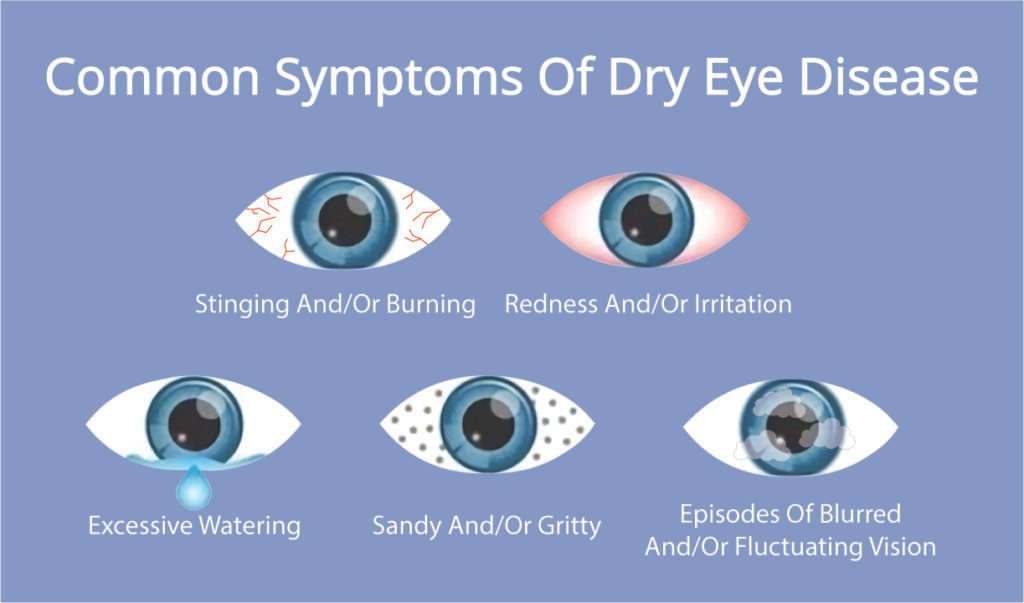
Common Symptoms of Dry Eye Disease

Symptoms of Dry Eye Disease typically affect both eyes and often include at least one of the following:

Any number of these symptoms could be a sign that you are experiencing Dry Eye Disease. However, with proper diagnosis and treatment, you can be living life comfortably again without the annoyance of dry eyes.

Close-up of a red, irritated eye showing common dry eye disease symptoms
Common symptoms of dry eye
Stinging and/or burning sensation
Periods of blurred and/or fluctuating vision
Scratchy and/or gritty feeling
Redness and/or irritation
Excessive watering
Foreign body sensation
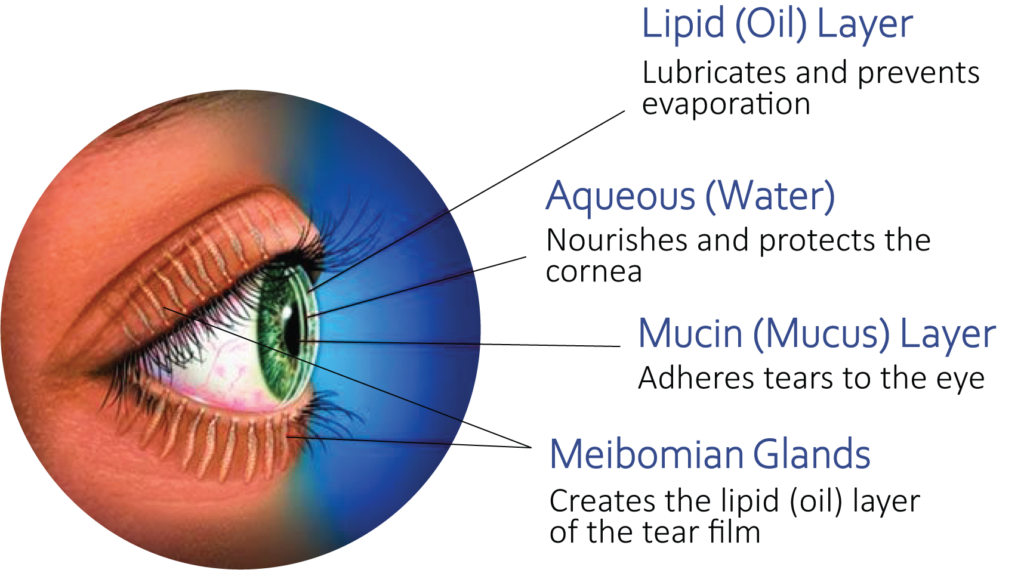
Diagram of the three tear film layers: lipid, aqueous and mucin

What Causes Dry Eye Disease?

Before getting into the assessment and treatment options, it is important to review what exactly causes Dry Eye Disease.

Protecting your eye are three layers. In front is the lipid (oil) layer, behind that is the aqueous (water) layer, and finally, there is the mucin (mucus) layer. A basic explanation is that the aqueous layer hydrates your eye and the lipid layer traps the aqueous layer against your eye, stopping it from evaporating.

As previously mentioned, most Dry Eye Disease is typically caused by an improperly functioning lipid layer. Without this oil layer, your eyes dry out quickly. The lipid layer is produced by Meibomian glands and many of our treatments focus on helping the meibomian glands produce enough oil to keep your eyes hydrated.
80%of all Dry Eye Disease cases are due to the lipid (oil) layer of your tear film not functioning properly
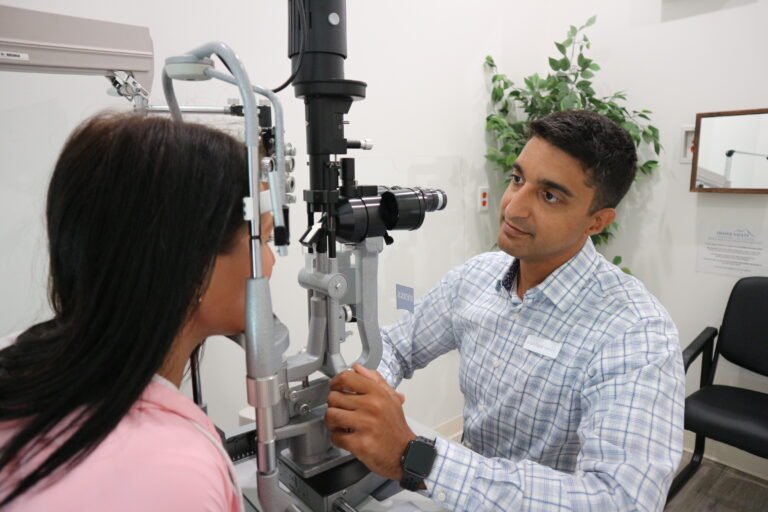
The dry eye clinic treatment room at Fraser Valley Cataract and Laser

Our Dry Eye Clinic

Our specialty Dry Eye Disease Clinic, led by Dr. Kulvir Dhaliwal, has helped many patients suffering from Dry Eye Disease to once again live life comfortably.

The Dry Eye Disease Assessment will give Dr. Dhaliwal the information he needs to identify the root cause of your dry eyes and determine what treatment options are best suited for your needs.

We are committed to the highest standard of patient care and are excited to serve you here in our clinic. Below is a review of the various assessment methods we make use of.

Your options

Tear Support

Preservative-free artificial tears and gels such as Thealoz Duo, matched to your tear film.

Lid & Gland Therapy

Warm compress masks and lid hygiene products that treat the root cause at home.

Clinical Treatments

Prescription therapy and in-clinic procedures for moderate to severe disease.

Diagnostic Tests for Dry Eye Disease

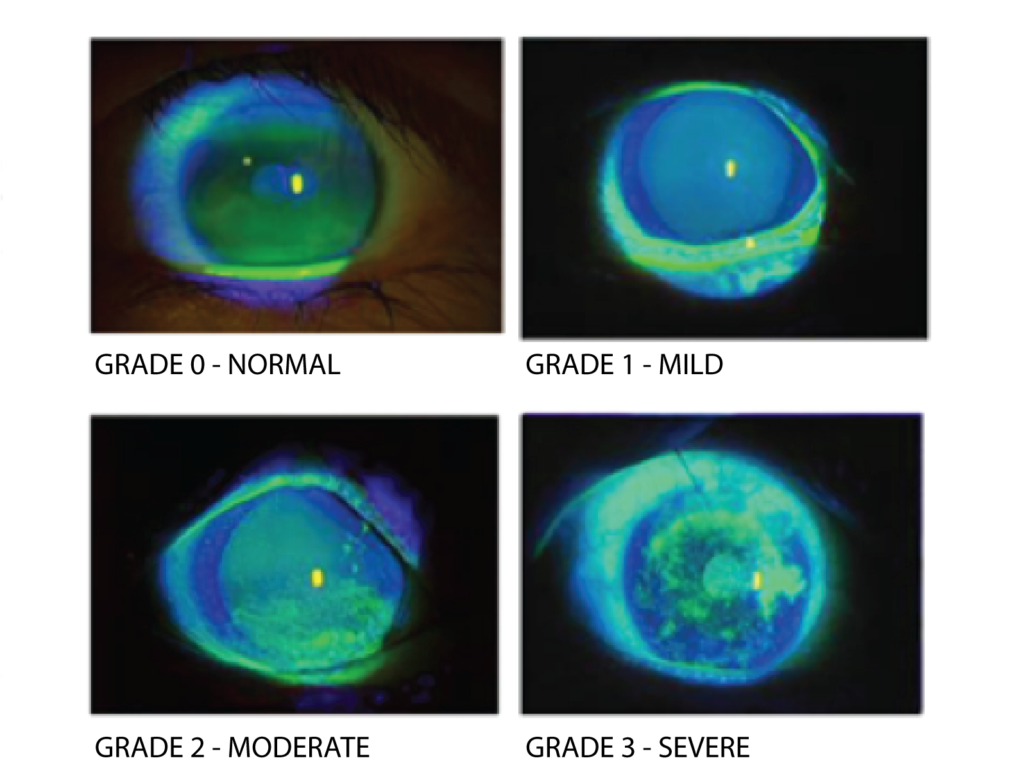
Corneal staining photographs showing various degrees of dryness on the epithelium

Corneal Staining

  • A yellow dye is instilled on the eye and highlights patterns of dryness in the outermost layer of the cornea, called the epithelium
  • The location and severity of the dye's pattern can help determine the cause of dryness
  • For example, if the dye's highlights are in the lower one-third of the cornea, it could be due to incomplete blinking, exposure while sleeping, or a decreased blink rate
  • The photos here show corneal staining signaling various degrees of dryness
Tear break up time test images, with image B showing a dry spot in the tear film

Tear Break Up Time (TBUT)

  • A clinical test used to assess for evaporative dry eye disease by highlighting the oil layer in the tear film
  • To measure tear breakup time, a yellow dye is instilled into your tear film and you are asked not to blink while the tear film is observed
  • If a dry spot in the tear film is observed in under 10 seconds without blinking it is considered abnormal
  • Image B shows the appearance of a dry spot
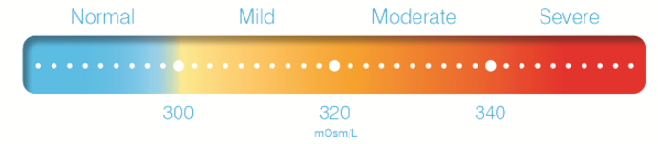
Tear osmolarity scale showing readings above 300 millimoles per litre as abnormal

Tear Osmolarity

  • A measurement used to determine how much salt is in your tears
  • Normal osmolarity is essential for proper tear production, retention, distribution and elimination
  • Tear osmolarity is abnormal when it is more than 300 millimoles per liter
  • Readings above 300 millimoles are considered salty tears and indicate that inflammation is present
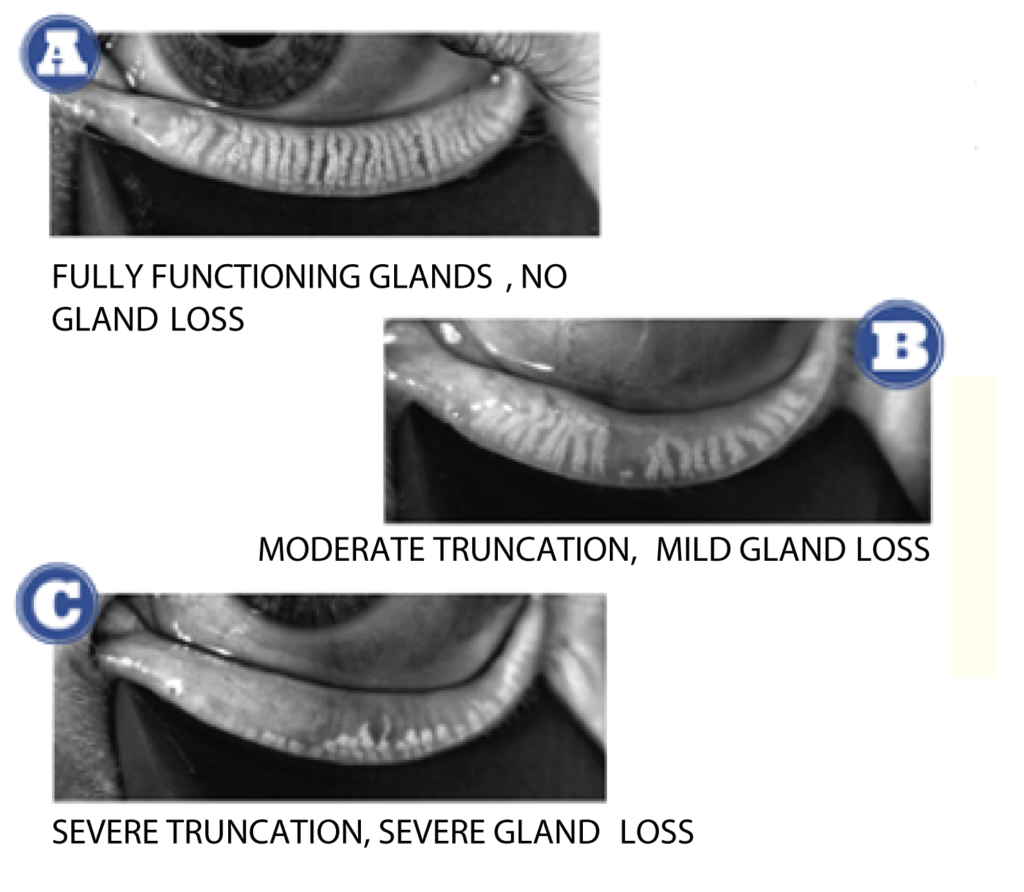
Lipiscan meibomian gland imaging showing gland condition and atrophy

Lipiscan Imaging (Meibomian Gland Imaging)

  • Lipiscan imaging shows us the condition of the Meibomian Glands which produce the outermost layer of your tear film oil
  • The oil produced from these glands prevents tears from evaporating
  • As glands continue to not function properly they begin to atrophy (truncate)
  • Once Meibomian Glands atrophy (or loss), they do not grow back

Treatments We Offer

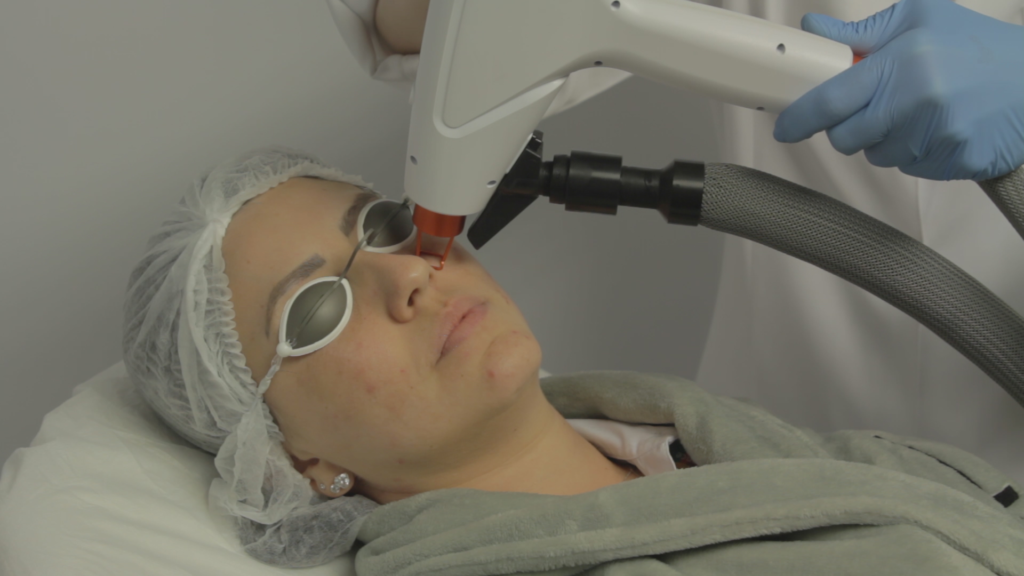
Intense Pulse Light IPL treatment being applied for dry eye disease
Why IPL

IPL (Intense Pulse Light)

IPL has been shown to provide relief for patients experiencing mild - severe dry eye disease symptoms. The pulsed light helps to stimulate and clear out meibomian glands allowing them to continue forming a healthy lipid layer protecting your tear film.

It is recommended that patients undergo 3 treatments, or, for optimal results, combine an IPL treatment with a session of Lipiflow.

Lipiflow

Lipiflow has been shown to increase meibomian gland function threefold, on average, with just one treatment. By carefully applying the right amount of warmth and energy to the eyelids, oil obstructing the meibomian glands is cleared out.

Take a look at this video demonstration of how lipiflow can help relieve your dry eye disease.

Lipiflow: a video demonstration

Punctal Plugs

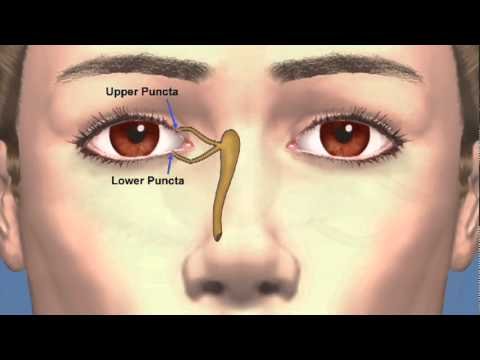
When tears drain too quickly from the eye, it can exasperate dry eye symptoms. Punctal plugs are used to reduce the amount of liquid draining away from your eyes through the puncta. This results in your eyes staying better hydrated.

The doctor will quickly and painlessly insert the plugs into your lower puncta and, if necessary, the upper puncta as well.

Patient wearing the I-Relief warm compress heat mask for meibomian gland therapy

Heat Mask

How To Use It

After warming the heat mask in the microwave for 20 seconds, it will reach a temperature of about 42°C for 10 minutes.

How It Works

This mask is the best method to achieve an even and consistent temperature in the eyelids. Doing this on a regular basis melts the oil clogging your meibomian glands, allowing them to continue secreting the oils necessary to protect your tear film.

Other forms of hot compresses, such as warm towels, do not retain heat long enough or distribute it even enough to warm the oil in your meibomian glands.

Why Thealoz Duo?

Thealoz Duo Artificial Tear

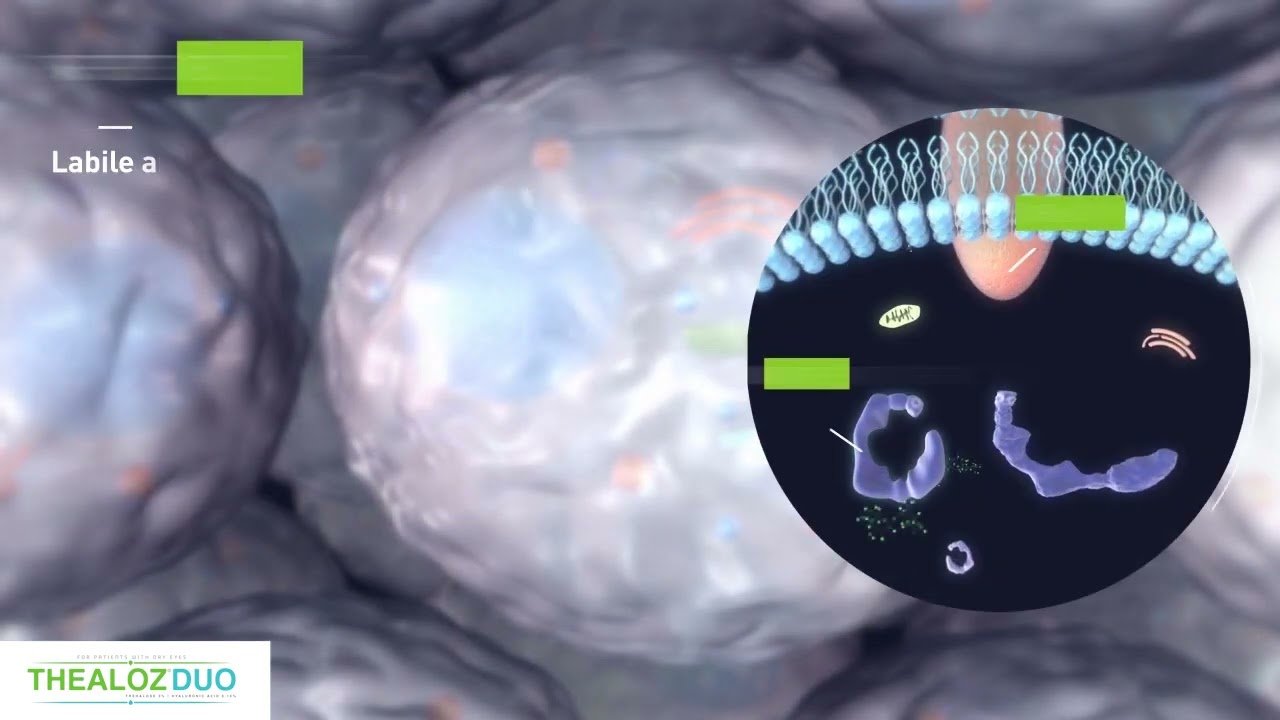
The unique synergy of Trehalose and Hyaluronic Acid used in Theatloz helps combat symptoms of dry eye disease in multiple ways:

  • Reduces inflammatory biomarkers in the tear film
  • Improves quality of tear film allowing it to keep eyes hydrated for longer
  • Significantly decreases damage to cornea in dry eye patients
  • Can be used with all types of contact lenses
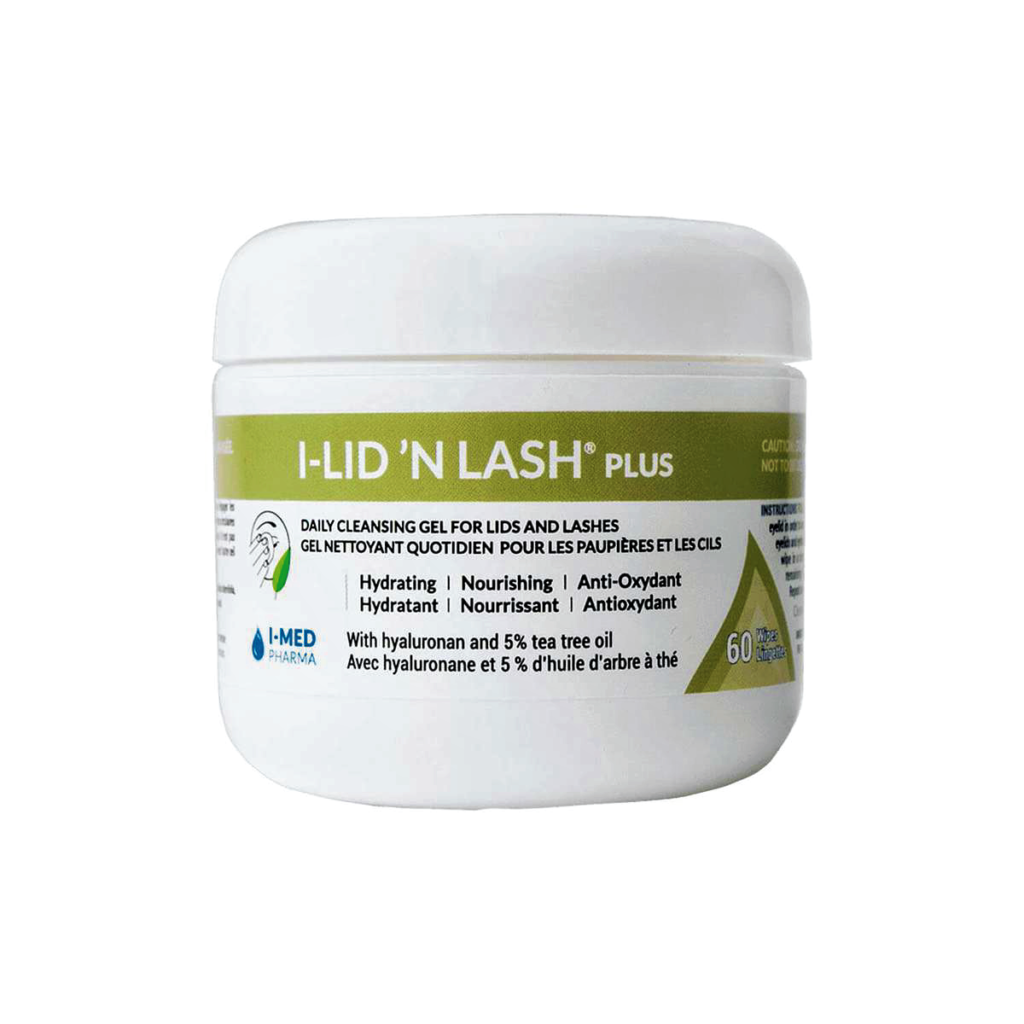
I-Lid N Lash Plus lid wipes for removing bacteria, dirt and debris

Lid Wipes

Use I-Lid ‘N Lash to remove bacteria, dirt, and debris from the area surrounding your eye. By maintaining a clean lid surface you will experience less irritation and meibomian glands will create a more consistent lipid layer.


Four step directions for applying a lid wipe to the eyelid and eyelashes
  • Apply the wipe to the eyelid in a circular motion
  • Wipe down eyelid and eyelash several times
  • Flip wipe and apply to other eye
  • Keep eyes closed for 1 minute after treatment to avoid irritation
Omega-3 supplement offered at Fraser Valley Cataract and Laser for dry eye

Omega-3

Omega-3 aids in minimizing dry eye symptoms by improving the quality of oil making up the tear film.

The quality of your omega-3 matters as well. At FVCL we offer a brand specially selected by our specialist that is proven to have a much greater impact than typical consumer brands.

Omega-3 has also been proven to play an important role in reducing joint pain, maintaining a healthy heart, and ensuring proper cardiovascular function.

What to expect

1

Referral or request

Ask your optometrist or GP for a referral, or request an appointment online.

2

Assessment

A comprehensive exam and diagnostic imaging confirm the right options for you.

3

Treatment

Your procedure or treatment plan is carried out by our specialist team.

4

Follow-up care

Pre-booked follow-up visits track your recovery, every step of the way.

Common questions

Why do my dry eyes water?
Irritation from a poor tear film triggers reflex watering. Excessive tearing is actually one of the most common signs of dry eye.
Which drops should I use?
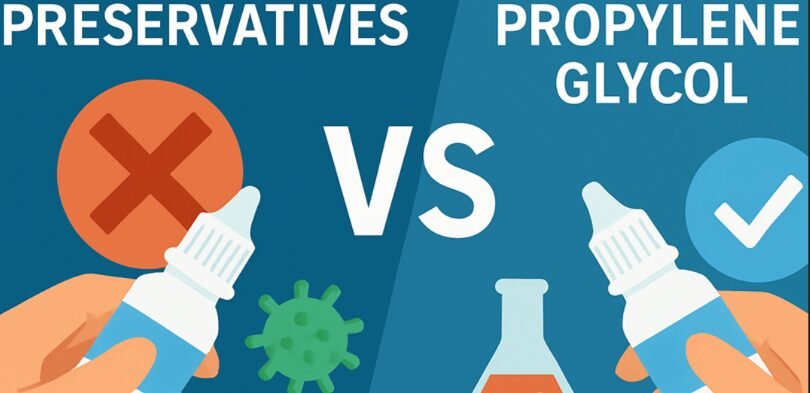
It depends on the cause. Preservative-free formulations are usually recommended for frequent use, and our team will match a product to your tear film.
Can dry eye be cured?
Most dry eye is managed rather than cured, but with the right plan symptoms can improve dramatically and stay controlled.

Ready to take the next step?

An MOA will call to find a time that works for your schedule.